
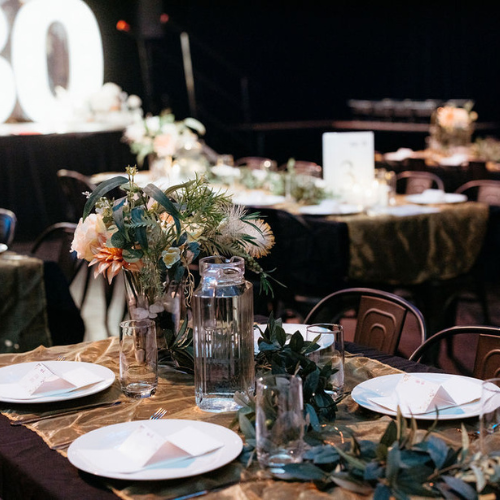
A corporate function can look polished on paper and still fall flat the moment guests walk in. Usually, the problem is not the catering or the run sheet. It is that the event was planned around logistics first and experience second. A strong corporate function planning guide helps you balance both, so your event feels professional, purposeful and genuinely worth attending.
Whether you are organising a client evening, end-of-year celebration, leadership offsite, networking event or internal presentation, the best results come from making a few smart decisions early. The venue, format, atmosphere and timing all shape how people feel in the room, and that feeling often matters just as much as the official agenda.
A corporate function planning guide starts with the real purpose
Before you compare venues or lock in suppliers, get clear on what the event is meant to do. That sounds obvious, but it is where plenty of corporate events lose direction. A celebration event needs a very different energy from a strategy session. A client appreciation evening calls for warmth and conversation, while a product launch may need more structure, staging and brand visibility.
When the purpose is vague, everything becomes harder. Guest numbers drift, the format becomes overcrowded, and the event starts trying to do too many jobs at once. If your team says they want the function to be “a bit of everything”, it is usually worth narrowing that down. A clear objective makes every other planning choice easier, from floor layout to food service.
It also helps to identify what success looks like. That might mean stronger team connection, quality time with clients, attendance from key stakeholders or simply a more memorable experience than last year. Not every event needs measurable leads or formal outcomes, but every event should have a reason to exist.
Match the format to the guest experience
Once the purpose is clear, the format should follow naturally. This is where many organisers overcomplicate things. A good event format is not the one with the most moving parts. It is the one that supports the mood and makes guests feel comfortable.
For a networking-heavy function, guests need room to move, gather and talk without feeling stuck at a table all night. For presentations or panels, sightlines and sound matter more than decorative extras. For team celebrations, atmosphere tends to carry more weight than rigid scheduling.
There is always a trade-off. Cocktail-style events create energy and flexibility, but they may not suit every audience, especially if your guest list includes older attendees or people expecting a more formal experience. Seated events feel structured and easier to manage, but they can limit interaction. Hybrid formats often work well, such as a short formal segment followed by drinks and canapes in a more relaxed setting.
The strongest events are designed around how people will actually use the space, not just how the run sheet looks in a planning document.
The venue does more than hold the event
A venue sets the tone long before the first speech begins. Guests notice the arrival experience, the atmosphere, the layout and whether the setting feels generic or considered. For corporate events, that matters. The venue reflects on your organisation, your standards and the care you put into the occasion.
This is why flexibility is so valuable. A blank-canvas venue gives you room to shape the event around your brand, audience and goals, rather than forcing your plans into a fixed package. That can be especially useful when you want a function to feel elevated without becoming overly formal.
It is worth thinking beyond capacity alone. A venue that technically fits 200 guests may not feel right for 80. Likewise, a beautiful space can still be difficult if there is no natural flow between welcome drinks, presentations and social time. Indoor and outdoor options can also make a real difference, particularly for events that benefit from a change of pace or atmosphere throughout the evening.
In Brisbane, where climate and season can shape the mood of an event, versatile spaces tend to offer more confidence. If the weather shifts or the event brief evolves, you want options rather than compromises.
Budgeting without flattening the experience
A practical corporate function planning guide has to talk about budget, but not in a way that strips all personality out of the event. Good budgeting is not about cutting every nice-to-have. It is about knowing what guests will remember and what they will not.
People rarely leave talking about the exact style of chair hire. They do remember whether the room felt inviting, whether the event ran smoothly, whether they could hear the speakers and whether the food and drinks suited the occasion. Spend where the guest experience is most visible.
That might mean prioritising the venue, service, lighting, audiovisual support or catering quality over decorative details with little impact. If your budget is tight, simplify the format rather than squeezing every element until none of them feel considered. A shorter event with a clear purpose often lands better than a stretched-out program trying to look bigger than it is.
It also helps to leave some contingency in the budget. Timelines shift, guest counts change and last-minute adjustments are common. A little breathing room prevents stress later.
Timelines matter more than most teams expect
The easiest way to make a corporate event feel chaotic is to leave key decisions too late. Venue availability, supplier coordination, internal approvals and guest communications all take longer than people assume. Even relatively straightforward functions benefit from a planning timeline that starts earlier than feels necessary.
For larger events, start with the date, venue and broad format first. Once those are secured, move into catering, technical requirements, styling and guest communications. If your event includes presentations, entertainment or branded activations, allow extra time for revisions. Internal stakeholders often need more follow-up than external suppliers.
On the day itself, timing needs breathing space. Guests arrive late, speakers run over, weather shifts and conversations take longer than planned. A tight schedule may look efficient, but it can make the event feel rushed. Build in room for transitions, and think carefully about how the energy should rise and settle across the event.
A corporate function planning guide should protect the guest journey
Guests do not experience your event as a checklist. They experience it as a sequence of moments. The invitation sets expectations. Arrival shapes first impressions. The opening minutes establish tone. Food, speeches, service and pacing all affect whether the event feels easy or awkward.
That is why guest journey planning matters. If parking is unclear, registration is clunky or the room layout creates bottlenecks, the event starts on the wrong foot. If there is a long gap between arrival and the first meaningful interaction, energy can drop quickly.
Simple touches often make the biggest difference. Clear signage, warm staff, a natural welcome point, comfortable flow between spaces and a run sheet that respects people’s time all contribute to a polished experience. For branded events, subtle alignment usually works better than overdoing it. Guests should feel the identity of the event without feeling like they have walked into a sales pitch.
If your audience includes clients or external guests, comfort and atmosphere carry even more weight. People are more likely to engage, stay longer and remember the event positively when the setting feels thoughtful rather than transactional.
Work with the venue team, not around them
One of the biggest planning advantages is choosing a venue team that understands how events unfold in real life. A beautiful space is only part of the equation. Responsive communication, practical guidance and calm support can make the planning process much smoother.
This is especially valuable if your team is balancing event planning alongside normal business responsibilities. You do not always need a full external planner, but you do need reliable support from people who can flag potential issues early and help shape an event that works in the space.
At Arcana Brisbane, that flexibility matters because no two corporate functions are quite the same. Some clients want a refined networking evening. Others need a creative launch, team celebration or presentation-driven event with a very different rhythm. A versatile venue paired with thoughtful support gives you more freedom to create something that feels specific, not standard.
The best corporate events feel considered, not overproduced
There is a temptation with corporate functions to add more – more styling, more formalities, more agenda items, more extras that make the event seem substantial. But guests are usually responding to something simpler. They want clarity, ease, atmosphere and a reason to be there.
A well-planned function does not need to be extravagant. It needs to feel intentional. When the purpose is clear, the venue suits the moment and the guest experience has been thought through properly, the event carries itself.
If you are planning your next function, start by asking what people should feel when they leave. That answer tends to lead you to better decisions than any checklist ever will.