
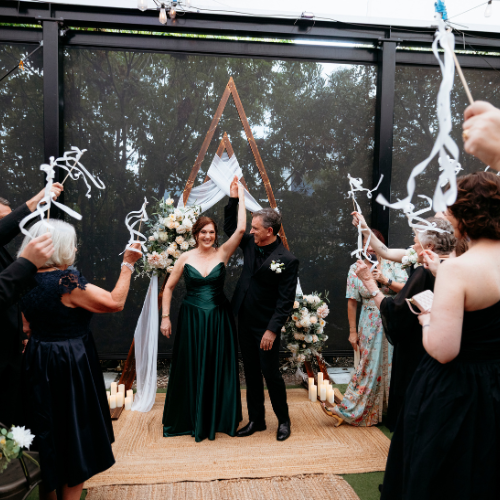
The moment the ceremony ends, the mood shifts. Formality softens, everyone exhales, and your wedding reception becomes the part of the day people will talk about on the drive home. If you’re wondering how to plan wedding reception details without losing the feeling behind it, the key is to think beyond run sheets and centrepieces. A great reception is not just well organised – it feels easy, personal and genuinely reflective of the two of you.
That matters because the reception carries a lot of emotional weight. It is where families meet properly, speeches land, the music changes the energy, and your guests settle into the atmosphere you have created. The most memorable receptions are rarely the ones with the biggest budgets. They are the ones where every decision works together.
Start with the feeling, not the furniture
Before you compare menus or map out seating plans, decide what you want the room to feel like. Romantic and candlelit is very different from lively and cocktail-style. Long-table elegance creates a different rhythm to a relaxed garden celebration. When couples skip this step, planning can become a collection of random choices that look good separately but never quite connect.
Try to describe your ideal reception in a few clear words. Warm. Intimate. Joyful. Editorial. Relaxed. Those words will help guide everything else, from venue style to lighting, music and table layout. A blank-canvas venue can be especially helpful here because it gives you room to build an experience around your vision rather than squeezing your plans into a fixed format.
How to plan wedding reception priorities before spending
Budget stress often starts when every part of the reception feels equally important. In reality, it is not. Some couples care most about incredible food. Others want a packed dance floor, statement florals or a long, shared-table dinner that feels deeply personal. There is no universal formula, which is why your priorities should shape your spending, not the other way around.
Choose the two or three elements that matter most to you both. That becomes your anchor. If atmosphere is everything, lighting, styling and venue character might deserve more of the budget than elaborate favours. If guest experience comes first, you may invest more heavily in catering, seating comfort and service flow.
This is also where trade-offs become useful, not disappointing. A smaller guest list can create space for premium food and a more immersive setting. A cocktail-style reception may reduce hire costs and open up more room for movement and mingling. Good planning is rarely about having everything. It is about being clear on what will actually make the night feel right.
Choose a venue that supports the reception you want
A beautiful venue should do more than look good in photographs. It needs to support the way you want the celebration to unfold. Think about how guests will arrive, where they will gather for drinks, how the room changes through the evening, and whether the setting can handle quiet moments as well as high energy ones.
This is where flexibility matters. Indoor and outdoor options can be invaluable, especially in Queensland where weather can shift quickly. A venue with multiple zones also helps a reception feel layered rather than flat. Guests might move from a garden drink on arrival to dinner indoors, then back out for a quieter conversation under the lights later in the evening.
If you are planning in Brisbane, it is worth looking for a space that feels distinctive without boxing you into one specific wedding style. The best venues do not compete with your ideas. They elevate them.
Build a reception timeline that breathes
One of the biggest mistakes couples make is over-scheduling the reception. Too many formalities, too close together, can make the night feel managed rather than enjoyed. A strong timeline gives shape to the evening while leaving enough space for spontaneous moments.
Think about the natural energy curve of the event. Guests arrive and settle in. Food gives the room its first sense of rhythm. Speeches shift the emotional tone. Then the atmosphere lifts again as music, dancing or conversation takes over. When this flow is handled well, the reception feels effortless.
There is no perfect format, but balance matters. If every major moment happens in the first hour, the rest of the night can feel oddly flat. If speeches run too long or dinner service drags, the dance floor may struggle to recover. Build in breathing room so transitions feel smooth, not abrupt.
Food and drink shape more of the night than you think
Guests may forget the exact shade of your napkins, but they will remember how the evening felt around the table. Food and drink are not just logistical items. They influence pace, mood and comfort.
A shared feast can feel warm and generous. Alternate drop service often suits more traditional receptions. Cocktail-style dining creates movement and a more social atmosphere, but it does mean guests experience the night differently, especially older family members who may prefer a clear place to sit and settle.
The drinks approach matters too. A tightly curated menu can feel elevated and considered. A broader package may suit a mixed crowd better. It depends on your guest list and the kind of celebration you are creating. The smartest choice is usually the one that supports your atmosphere rather than chasing trends.
Seating, styling and layout should work together
Reception styling is where many couples get excited, and rightly so. This is where the look of the day becomes tangible. But styling works best when it is connected to layout and guest experience.
A dramatic floral installation might be stunning, but not if it blocks sightlines during speeches. A dance floor in the wrong position can split the room. Beautiful tables can still feel awkward if guests are seated too far from the action or too tightly together. Practicality is part of atmosphere.
When planning your layout, think about how people move and where attention naturally lands. The bar, the couple’s table, the dance floor and the entry point all influence the energy of the room. Good design quietly directs that movement.
Make it personal without forcing it
The best receptions feel personal in a way that is easy, not performative. You do not need a themed cocktail named after your dog, custom signage on every surface and ten separate moments of symbolism to make the night meaningful. Often, the strongest personal touches are the simplest ones.
That might be a menu that reflects family tradition, music that genuinely sounds like you, or a speech moment that gives space to the people who helped shape your story. Personal details land better when they are integrated naturally rather than added for the sake of novelty.
This is also why copying another wedding too closely can fall flat. What looked incredible for someone else may not suit your personalities, guest mix or venue. Inspiration is helpful. Replication usually is not.
Know where support will save the day
Even highly organised couples benefit from support on the reception side. Someone needs to manage supplier timing, cue transitions, troubleshoot small issues and keep the evening moving without making it feel managed. That role becomes even more important when the setting is highly customised.
A professional, service-led venue team can make a remarkable difference here. In a flexible space such as Arcana Brisbane, where couples can shape the celebration around their own style, the value is not only in the look of the venue. It is in having experienced people helping turn that vision into a reception that actually runs well.
This kind of support protects your attention. Instead of answering questions about table placement or microphone timing, you get to stay where you should be – with your guests, in the moment.
Plan for your guests, not just your photos
It is easy to get swept up in visual inspiration, but a reception lives or dies by how guests experience it in real time. Is there enough seating? Can older relatives hear speeches clearly? Is there shade, shelter or a comfortable place to step aside? Does the evening feel welcoming for the full mix of people you have invited?
Thinking this way does not make the event less stylish. It makes it more generous. And generosity is often what guests remember most.
If you are choosing between two ideas and one looks better while the other feels better, it is usually worth backing the one that improves the experience in the room. Beautiful receptions are not only seen. They are felt.
A wedding reception does not need to be perfect to be unforgettable. It needs intention, warmth and a setting that gives your celebration room to become its own thing. Start there, trust what matters to you, and the rest of the planning becomes much easier to recognise.