
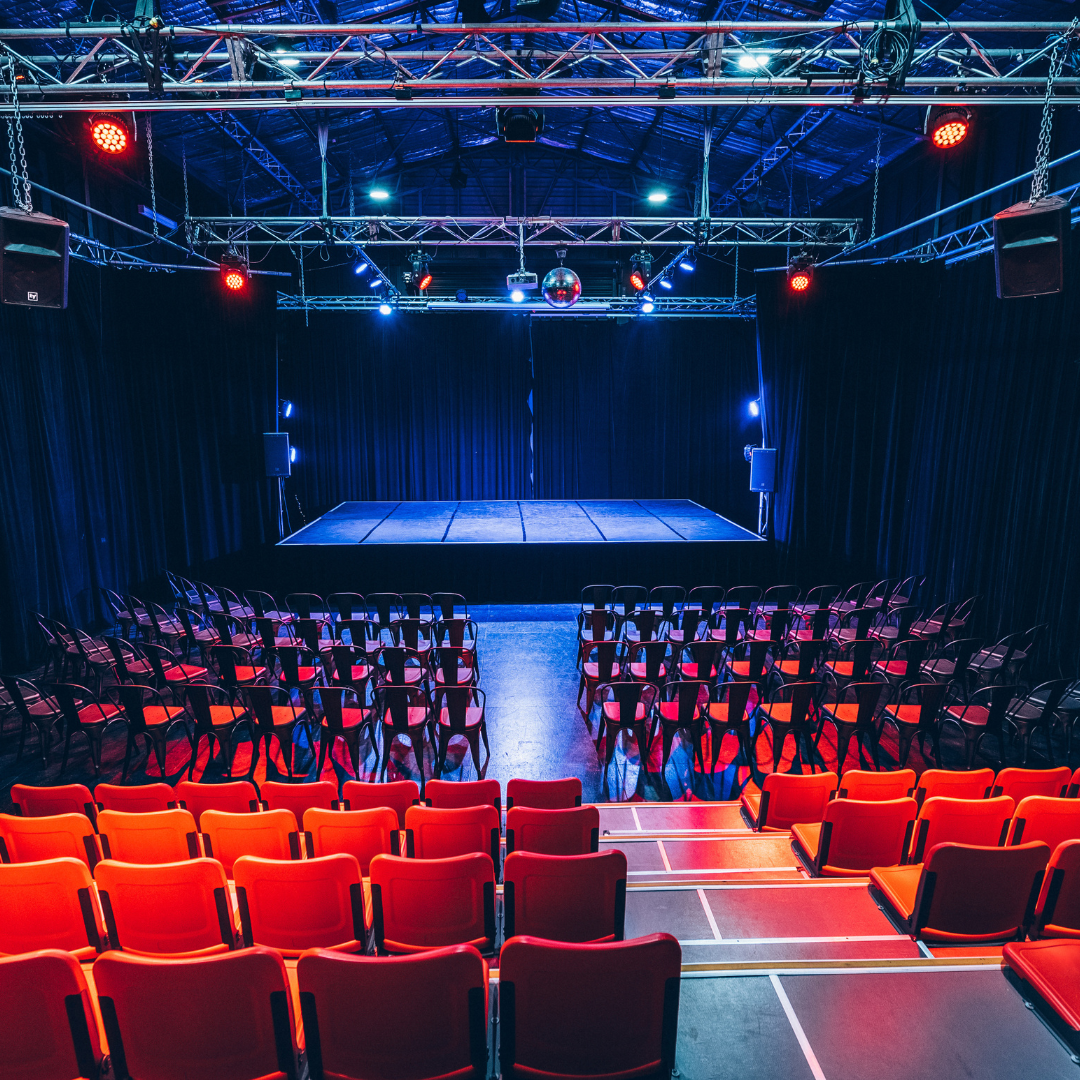
A strong performance starts long before opening night. If you are searching for theatre venue hire Brisbane, the right space can shape everything from audience energy to bump-in logistics, technical flow and the confidence of your cast and crew.
Not every theatre event needs a traditional theatre. In fact, many producers, directors and event organisers are now looking for something more flexible – a venue with character, room to adapt, and the practical support to bring a creative vision to life. Whether you are staging an intimate play, a devised work, a showcase, a spoken word night or a ticketed private performance, the venue matters as much as the programme.
Why theatre venue hire in Brisbane is changing
There is a clear shift in what people want from performance spaces. For some productions, a conventional auditorium is the perfect fit. For others, it can feel too fixed, too formal or simply not suited to the atmosphere you are trying to create.
That is where adaptable venues stand out. A blank-canvas space gives you more control over staging, audience layout, entry experience and the visual world of the event. It also opens up opportunities for productions that sit somewhere between theatre, installation, live event and celebration.
This matters in Brisbane, where audiences are drawn to experiences that feel personal and memorable. A venue with warmth, style and flexibility can help a production feel less like a standard booking and more like a fully realised event.
What to look for in theatre venue hire Brisbane
The best venue is not always the biggest or the most technically packed. It is the one that matches the scale, mood and practical needs of your production.
A layout that supports your format
Start with the shape of the event. Are you presenting end-on seating, cabaret tables, in-the-round performance or a standing audience with roaming action? Some productions need a clear divide between stage and audience. Others work better when the room feels immersive and fluid.
A flexible venue gives you options. That can be especially valuable for independent productions, rehearsed readings, fringe-style performances or one-night-only events where the format is part of the appeal. If the room can be reworked to suit your concept rather than forcing your concept to fit the room, you are already in a stronger position.
Atmosphere that does some of the storytelling
A venue should never compete with the performance, but it can absolutely strengthen it. Warehouse-style interiors, garden settings, textured backdrops and well-considered lighting all influence how an audience feels before a single line is delivered.
This is often overlooked in early planning. Producers can focus heavily on capacity and budget, then realise too late that the space feels flat or disconnected from the tone of the work. A distinctive venue brings built-in mood, which can reduce styling pressure and help audiences connect more quickly with the experience.
Practical support behind the scenes
Creative freedom works best when it is backed by calm, capable support. Ask what kind of access is available for setup and pack-down. Consider where performers can wait, how equipment moves through the space and whether there is a team on hand to help the event run smoothly.
This does not mean every venue needs full theatre infrastructure. It does mean your booking should feel supported, especially if you are balancing performers, ticket holders, suppliers and a tight event schedule. A beautiful room without operational care can become stressful very quickly.
Capacity that feels right, not just possible
A venue for 250 does not always feel right for a crowd of 60, and a small room can flatten the energy of a larger audience if it becomes cramped. Capacity is not just about how many people can fit. It is about how the room breathes.
For theatre and live performance, audience intimacy matters. A well-matched venue creates connection between performers and guests while still allowing for comfort, sightlines and movement. If you are planning a niche production or a premium ticketed event, choosing a space that feels full rather than sparse can make a real difference to the atmosphere.
The case for a blank-canvas theatre venue
For many organisers, the appeal of a blank-canvas venue is simple – it gives you room to create something that feels like yours.
That could mean transforming a warehouse-style space into a moody black-box performance setting. It could mean using an outdoor garden area for pre-show drinks before guests move indoors for the main event. It might even mean blending theatre with a celebration, presentation or fundraiser in a way that a traditional venue cannot easily support.
There is a trade-off, of course. More flexibility can mean more decisions. You may need to think more carefully about layout, styling and technical planning. But for many events, that extra freedom is exactly what makes the result feel special.
A venue like Arcana Brisbane appeals to this kind of organiser because it offers both character and adaptability. You are not starting in a plain white box, but you are also not boxed into a rigid format.
Indoor, outdoor or a combination?
This depends entirely on the event.
If the performance itself needs controlled acoustics, lighting and audience focus, an indoor space will usually make the most sense. It gives you greater consistency and fewer variables on the day. For scripted work, presentations, showcases and evening performances, that reliability is often essential.
An outdoor setting can work beautifully for arrivals, interval drinks, networking or companion moments around the main show. It adds texture to the experience and gives guests a chance to settle in, connect and enjoy the setting beyond the performance itself.
For some events, the most effective approach is both. A venue that combines indoor and outdoor areas can create a fuller guest journey – one that feels polished, generous and far more memorable than a single-room hire.
Questions worth asking before you book
The best venue conversations are not just about availability. They are about fit.
Ask how the space has been used for live performance before. Find out how flexible the room setup is and whether there are restrictions around timing, sound, furniture or audience flow. Ask what kind of planning support is included and who will be available on the day.
It is also worth being honest about your event style. If you are planning an experimental piece, a hybrid performance or something that crosses into private event territory, say so early. A good venue team will help you think through what is possible and where adjustments may be needed.
This is often where confidence is built. Not because every answer is yes, but because the conversation feels experienced, thoughtful and solutions-focused.
When a non-traditional venue is the better choice
Traditional theatres still have an important place. But they are not automatically the best choice for every production.
A non-traditional venue can be the better fit when you want a more intimate audience experience, more control over styling, a multi-part event format or a setting that feels less formal and more immersive. It can also suit productions that need to work around a brand launch, private function, fundraiser or creative industry gathering.
For audiences, this kind of venue often feels fresh. There is a sense of discovery to it. For organisers, it can create more room to shape the entire evening, not just the performance itself.
That broader experience matters. People remember how an event felt from arrival to final applause. The setting, the flow, the warmth of the hosting and the sense of occasion all play a part.
Making the venue part of the performance
The strongest events use the venue with intention. Rather than treating it as a container, they let it inform the rhythm of the night.
That might mean using lighting and furniture placement to shape intimacy. It might mean staging audience arrival through a garden bar before drawing them into a more focused indoor performance space. It might mean choosing a room with enough aesthetic presence that you can keep set design simple and still create impact.
This approach does not need a massive budget. It needs clarity. When the venue aligns with the tone of the production, you spend less time correcting the space and more time enhancing what is already there.
If you are comparing options for theatre venue hire in Brisbane, look beyond the basic checklist. Think about the kind of experience you want to create, how flexible the venue is under pressure, and whether the team behind it makes the process feel easier or harder. The right space should give your production room to breathe and your audience a reason to remember the night.